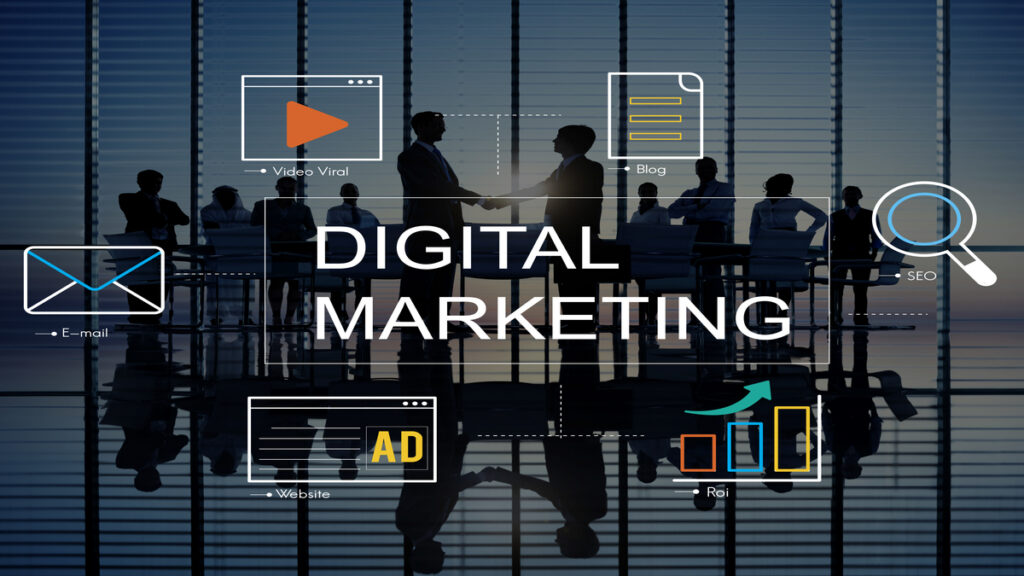
Who is shaping digital marketing today? What has changed so dramatically? When did this shift happen? Where are customers spending their time? Why are old strategies failing and how are smart brands surviving? In 2026, these questions are no longer theoretical. They define the reality of marketing in a world where people scroll faster, think sharper, and expect brands to understand them without invading their privacy. Digital marketing is no longer about pushing ads; it is about earning attention in seconds and trust over time.
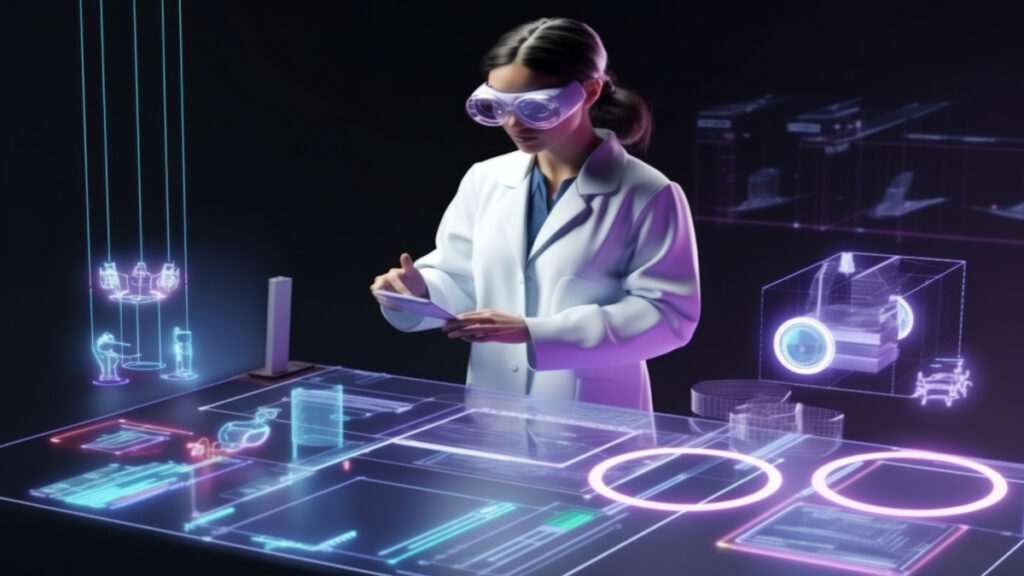
The biggest force driving this change is artificial intelligence. In 2026, AI is not a luxury or an experiment it is the backbone of modern marketing. Businesses of all sizes now use AI tools to write emails, create social media posts, design ads, analyze customer behavior, and decide the best time to reach their audience. AI-powered chatbots offer instant support, answering questions and guiding customers through purchases without delay. Instead of guessing what might work, marketers rely on AI-driven insights to predict customer needs and make confident, data-backed decisions.
Search behavior has also transformed completely. People are no longer just typing keywords into Google. They are asking questions through voice assistants like Alexa and Google Assistant. Many searches now happen on Instagram, YouTube, and even inside AI tools that give instant answers. Long, keyword-heavy blogs are losing relevance. In their place, users want clear, simple, and direct information. In 2026, the brands that win are those that show up with the right answer at the right moment, whether someone is speaking to a phone, watching a video, or scrolling through social media.
Social media itself has become faster and more personal. Short videos dominate every platform. These quick clips help brands tell stories, show products, and build emotional connections in just a few seconds. Perfect ads no longer impress people. What works instead are real moments, honest voices, and content that feels human rather than scripted.
Shopping has also become almost effortless. With shoppable posts, live shopping videos, and in-app checkouts, users can now discover and buy products without ever leaving social media. The gap between liking a product and buying it has nearly disappeared. At the same time, trust has shifted. Consumers increasingly rely on smaller creators and niche communities rather than big celebrities. These authentic voices feel more relatable, and that trust often turns into sales.
Personalization is now expected, not optional. Content, offers and recommendations change based on how users behave online. When done thoughtfully, this makes customers feel understood, not watched. However, this has also made privacy a major concern. As technology grows more powerful, people want clarity about how their data is collected and used. In response, brands are moving away from third-party cookies and focusing on first-party, consent-based data. In 2026, respecting user privacy is not just a legal requirement; it is a core brand value.
Ultimately, digital marketing in 2026 is no longer just about selling products or services. It is about listening, understanding, and building genuine relationships. The brands that succeed are those that use technology to help people, not overwhelm them. In a fast, AI-driven world, the true digital leaders are the ones that still feel deeply human and that is what sets them apart.