For years, surveillance cameras have played a passive role, recording everything, and sending footage elsewhere for analysis. The system works but it’s slow data-heavy files, and it is also increasingly risky in a world where security and privacy matter more than ever.
Now, a new wave of Indian semiconductor startups is trying to change that by bringing intelligence directly into the camera itself.
Companies like Netrasemi, BigEndian Semiconductors and Sensesemi Technologies are building edge-AI chips that allow cameras and sensors to analyze video locally, without depending on cloud servers. The shift could quietly transform surveillance and much more.
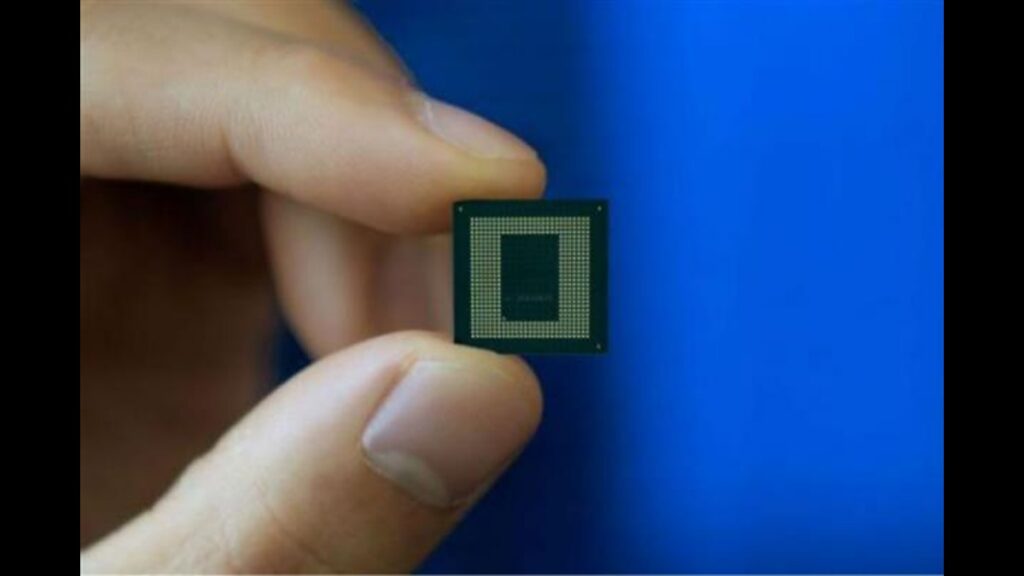
Compact edge-AI chip that enables cameras to process video locally without cloud dependence
Edge-AI silicon refers to chips designed to run artificial intelligence inside devices such as cameras, rather than in remote data centers. Instead of streaming every second of footage, the AI processes video on the spot and sends only important information, such as unusual activity or security alerts.
This approach brings clear advantages: faster response times, lower bandwidth and storage costs, better performance during power or network outages, and stronger control over sensitive data. For a country like India, where connectivity and power reliability can vary, edge-based AI is often a more practical solution.
“The startups are using video surveillance as their first proving ground, with custom-designed AI chips forming the foundation for wider automation.”
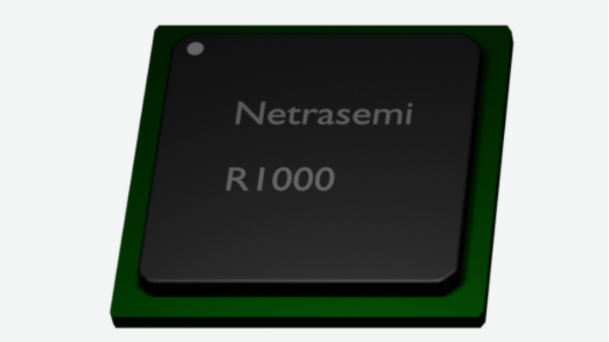
Netrasemi R1000 edge-AI semiconductor chip developed in India for vision-based automation
Thiruvananthapuram-based Netrasemi designs AI-enabled system-on-chips for edge devices and says surveillance is just one-use case within a larger vision-based automation strategy. BigEndian Semiconductors, founded by veteran chip designers in Bengaluru, is building a specialised chip for IP cameras and handling the entire chip lifecycle from design to manufacturing and deployment.
Sensesemi Technologies, which began in health and wearables, is extending its ultra-low-power sensing expertise into surveillance by combining video with audio, vibration and thermal data to create more context-aware systems.
Security is a major driver behind this push. Industry leaders warn that today’s surveillance systems are fragile and vulnerable, while heavy reliance on foreign chips raises geopolitical concerns. India’s restrictions on Chinese surveillance equipment and tighter certification standards have opened space for locally designed alternatives.
By processing data at the edge, these systems reduce the risk of sensitive footage being intercepted or misused. Some startups are even building security features directly into the chip, limiting access to authorized devices only.
Building semiconductor chips is expensive and time-consuming, and talent shortages remain a challenge. Profitability will take time. Still, the founders see surveillance as the most cost-efficient entry point into a much larger opportunity.
Over the next few years, they aim to expand into industrial automation, automotive systems, defence and medical devices.
By 2030, these startups hope India’s AI systems will rely less on distant cloud servers and foreign silicon and more on locally designed chips that think at the edge.